Brain injuries resulting from sports-related accidents can have long-lasting consequences on an individual's life. From concussions to more severe traumatic brain injuries, these incidents require specialized attention and legal expertise to navigate through the complexities of personal injury claims. This is where the services of an El Segundo brain injury lawyer like Bloom Injury Law come into play. With a deep understanding of the nuances surrounding sports-related brain injuries, legal professionals at Bloom Injury Law are dedicated to providing expert guidance and support to clients seeking rightful compensation for their suffering.
Pay Nothing Unless You Win a Settlement
If you've experienced an injury due to someone else's negligence, contact Bloom Injury Law today for a free consultation. Call (310) 525-5985 or contact us online.
What Constitutes a Brain Injury?
A brain injury is any damage to the brain that affects its function and can have a wide range of physical, cognitive, emotional, and behavioral consequences. These injuries include traumatic brain injuries:
Traumatic Brain Injuries (TBIs)
TBIs occur when an external force causes the brain to move within the skull or damages the skull itself. Common causes of TBIs include:
- Falls: Slips, trips, and falls are a leading cause of TBIs, particularly among children and the elderly.
- Motor Vehicle Accidents: Collisions involving cars, motorcycles, bicycles, and pedestrians often result in TBIs.
- Sports Injuries: Contact sports like football, soccer, and boxing, as well as recreational activities such as skiing and skateboarding, can lead to TBIs.
Severity of Brain Injuries
Brain injuries are classified by their severity, which can range from mild to severe:
- Mild TBI (Concussion): Symptoms may be subtle and temporary, such as headaches and brief changes in mental status or consciousness.
- Moderate TBI: Symptoms can be more pronounced and long-lasting, including prolonged loss of consciousness and more significant cognitive and physical impairments.
- Severe TBI: These injuries can be life-threatening and often result in long-term or permanent disabilities. They typically involve extended periods of unconsciousness or coma.
Understanding what constitutes a brain injury is crucial for recognizing the signs and seeking appropriate medical and legal help. If you or a loved one has suffered a brain injury due to an accident or negligence, consulting with a brain injury lawyer can help you navigate the complexities of your case and pursue the compensation you deserve.
When Do You Need a Brain Injury Lawyer?
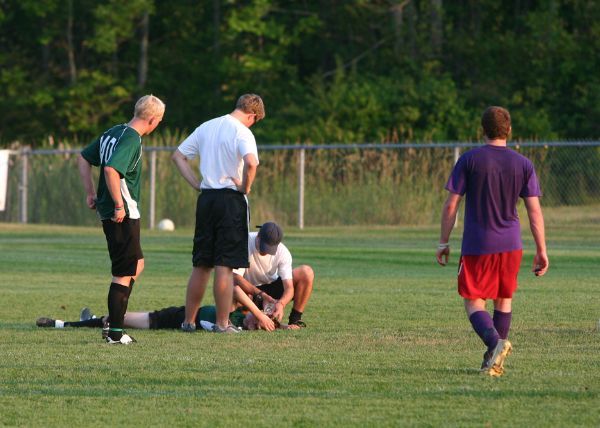
Sports-related brain injuries, such as concussions, can have serious implications for athletes. Here are key situations where consulting with an El Segundo brain injury lawyer specializing in sports injuries may be crucial:
- Concussions and Traumatic Brain Injuries (TBIs): Sports like football, soccer, and boxing can lead to concussions or more severe TBIs. If you or a loved one has suffered a head injury while participating in sports due to negligence or unsafe conditions, a brain injury lawyer can help determine liability and pursue compensation.
- Failure to Diagnose or Treat Concussions: Sometimes, coaches, trainers, or medical personnel fail to recognize the signs of a concussion or provide adequate treatment. This negligence can exacerbate the injury and lead to long-term consequences. A lawyer specializing in brain injuries can assess whether there was a duty of care breach and seek appropriate damages.
- Repetitive Head Trauma (CTE): Chronic Traumatic Encephalopathy (CTE) is a degenerative brain condition linked to repeated head injuries. Athletes in contact sports may develop CTE over time, affecting cognitive functions and quality of life. Legal assistance can be essential in navigating claims related to CTE and securing compensation for ongoing medical care and losses.
- Equipment and Facility Safety Issues: Poorly maintained sports equipment or unsafe playing conditions can contribute to brain injuries. A knowledgeable brain injury lawyer can investigate whether negligence in maintaining equipment or facilities played a role in the injury and pursue claims against responsible parties.
- Insurance and Compensation Claims: Dealing with insurance companies after a sports-related brain injury can be complex. A skilled lawyer can negotiate with insurers to ensure fair compensation for medical expenses, lost wages, pain and suffering, and future care needs.
- Legal Advocacy for Athletes' Rights: Athletes who suffer brain injuries deserve strong advocacy to protect their rights and ensure they receive appropriate care and compensation. A brain injury lawyer specializing in sports injuries can provide the necessary legal guidance and representation to achieve justice.
If you or someone you know has sustained a brain injury while participating in sports in El Segundo or surrounding areas, consulting with an experienced brain injury lawyer at Bloom Injury Law can provide clarity on legal options and help pursue the compensation deserved.
How Can a Brain Injury Lawyer Help?
At Bloom Injury Law, our dedicated team of brain injury lawyers understands the unique challenges that come with sports-related brain injuries. Here's how we can assist you:
Comprehensive Case Evaluation
We begin with a thorough evaluation of your case, gathering all necessary information about the circumstances of your injury, medical history, and the impact on your life. This helps us build a strong foundation for your claim.
Expert Consultation
We collaborate with medical experts, including neurologists and neuropsychologists, to understand the full extent of your brain injury. Their insights are crucial in establishing the link between your injury and the negligent actions of others.
Evidence Collection and Preservation
Our team diligently collects and preserves evidence to support your claim. This includes medical records, witness statements, and any relevant documentation about the sports environment, equipment, and safety protocols.
Determining Liability
Identifying the responsible parties is a critical step in your case. Whether it's a coach, trainer, medical personnel, or sports facility, we investigate all potential sources of negligence to hold them accountable for your injury.
Navigating Insurance Claims
Dealing with insurance companies can be overwhelming, especially when you're recovering from a brain injury. We handle all communications and negotiations with insurers to ensure you receive fair compensation for medical expenses, lost wages, and other damages.
Pursuing Maximum Compensation
Our goal is to secure the maximum compensation for your injury. This includes not only immediate medical costs but also future care needs, rehabilitation, pain and suffering, and any loss of earning capacity.
Litigation and Trial Representation
While many cases are settled out of court, we are fully prepared to take your case to trial if necessary. Our experienced litigators will advocate vigorously on your behalf to achieve the best possible outcome.
Support and Guidance
We understand that a brain injury affects every aspect of your life. Our team provides compassionate support and guidance throughout the legal process, ensuring you feel informed and empowered every step of the way.
At Bloom Injury Law, we are committed to helping athletes and individuals who have suffered brain injuries due to sports-related accidents. Our expertise and dedication ensure that you receive the justice and compensation you deserve. If you or a loved one has experienced a sports-related brain injury in El Segundo, contact us today for a free consultation.
Common Causes of Brain Injuries
Brain injuries in sports can occur in various ways, often with severe consequences. At Bloom Injury Law, we recognize the importance of understanding the common causes of these injuries to provide effective legal representation. Here are some of the primary causes of brain injuries in sports, including professional and amateur levels:
- Contact Sports (NFL, Rugby, Hockey):
- NFL: Football is notorious for high-impact collisions, leading to concussions and traumatic brain injuries (TBIs). Repeated hits to the head, even without a diagnosed concussion, can cause chronic traumatic encephalopathy (CTE).
- Rugby: Similar to football, rugby involves frequent tackles and collisions, posing a significant risk of head injuries.
- Hockey: In hockey, players are susceptible to brain injuries from body checks, hits against the boards, and collisions with other players.
- Non-Contact Sports (NBA, Soccer):
- NBA: Basketball players may experience brain injuries from falls, inadvertent elbow strikes, or collisions during aggressive play.
- Soccer: Soccer players, especially those who frequently head the ball, are at risk for concussions and long-term brain damage. Collisions with other players and falls also contribute to brain injuries.
- School and Youth Sports:
- Football, Soccer, Hockey: Young athletes in school sports face similar risks to their professional counterparts. Lack of proper safety measures and oversight can exacerbate these risks.
- Gymnastics and Cheerleading: These activities often involve high-flying stunts and falls, leading to potential brain injuries.
- League and Recreational Sports:
- Amateur Leagues: Adults participating in amateur leagues for sports like football, soccer, and hockey are also at risk. Lack of professional training and safety equipment can increase the likelihood of injuries.
- Recreational Activities: Even in less formal settings, such as pickup games and recreational leagues, participants can suffer brain injuries from accidental collisions and falls.
- Lack of Protective Gear:
- In many sports, the absence or improper use of protective gear, such as helmets, can significantly increase the risk of brain injuries.
- Inadequate Training and Supervision:
- Coaches and trainers who lack proper training in concussion management and safety protocols can inadvertently contribute to the risk of brain injuries. Ensuring proper education and adherence to safety standards is crucial.
- Unsafe Playing Conditions:
- Poorly maintained fields, courts, and equipment can lead to accidents resulting in brain injuries. Ensuring that sports environments meet safety standards is essential for preventing these injuries.
Understanding these common causes helps Bloom Injury Law build strong cases for our clients. If you or a loved one has suffered a brain injury while participating in sports, our experienced legal team is here to help.
Signs of a Brain Injury
Recognizing the signs of a brain injury is crucial for early intervention and effective treatment. Brain injuries, especially those related to sports, can sometimes be subtle and easily overlooked. At Bloom Injury Law, we want to ensure that athletes, coaches, and families are aware of the common signs of a brain injury:
- Physical Symptoms:
- Headache: Persistent or worsening headaches are common after a head injury.
- Nausea and Vomiting: Feeling nauseous or vomiting shortly after an injury can indicate a concussion or more severe brain injury.
- Dizziness and Balance Issues: Experiencing dizziness, vertigo, or difficulty maintaining balance is a significant warning sign.
- Fatigue: Unusual tiredness or drowsiness can signal a brain injury, especially if it persists.
- Blurred Vision: Difficulty seeing clearly or double vision may indicate a concussion.
- Sensitivity to Light and Noise: Increased sensitivity to light and sound is a common symptom of brain injuries.
- Cognitive Symptoms:
- Confusion: Feeling confused, disoriented, or having trouble concentrating can indicate a brain injury.
- Memory Loss: Experiencing memory gaps, particularly about the injury or events shortly before or after, is a red flag.
- Difficulty Thinking Clearly: Slower processing of information and trouble with problem-solving can occur after a brain injury.
- Emotional and Behavioral Symptoms:
- Mood Changes: Sudden mood swings, irritability, or increased anxiety can be signs of a brain injury.
- Depression: Feelings of sadness or hopelessness that develop after an injury may indicate an underlying brain issue.
- Personality Changes: Noticeable changes in personality or behavior, such as increased aggression or impulsivity, can be symptoms of a brain injury.
- Sleep Disturbances:
- Difficulty Sleeping: Insomnia or trouble falling and staying asleep can result from a brain injury.
- Sleeping More Than Usual: Conversely, excessive sleepiness or sleeping more than usual can also be a sign.
- Speech and Communication Issues:
- Slurred Speech: Difficulty articulating words or slurred speech can indicate a serious brain injury.
- Trouble Understanding: Difficulty comprehending spoken or written language is another warning sign.
- Severe Symptoms Requiring Immediate Medical Attention:
- Loss of Consciousness: Even a brief loss of consciousness after a head injury should be taken seriously.
- Seizures: Experiencing seizures following a head injury requires urgent medical evaluation.
- Unequal Pupil Size: One pupil appearing larger than the other can indicate significant brain trauma.
- Clear Fluids Draining from Nose or Ears: This may suggest a skull fracture and requires immediate medical attention.
Recognizing these signs and seeking prompt medical attention is essential to prevent further damage and begin appropriate treatment. If you or a loved one has experienced a brain injury, especially in a sports context, it's important to consult with a knowledgeable brain injury lawyer. At Bloom Injury Law, we are committed to helping victims of brain injuries get the justice and compensation they deserve.
What To Do After a Brain Injury
Experiencing a brain injury can be overwhelming and confusing. Immediate and appropriate action is crucial to ensure the best possible outcome. At Bloom Injury Law, we provide guidance on the necessary steps to take after a brain injury, especially those resulting from sports activities:
Seek Immediate Medical Attention:
-
- Emergency Care: If the injury is severe, call 911 or visit the nearest emergency room immediately.
- Initial Assessment: A healthcare professional should conduct a thorough evaluation, including imaging tests like CT scans or MRIs, to determine the extent of the injury.
Follow Medical Advice:
-
-
- Treatment Plan: Adhere to the treatment plan provided by your medical team, including medications, rest, and follow-up appointments.
- Rest and Recovery: Adequate rest is crucial for brain injury recovery. Avoid physical and mental activities that can strain your brain.
Document the Incident:
-
- Details of the Injury: Record the details of the injury, including how it happened, where it occurred, and the symptoms experienced.
- Witness Statements: If there were witnesses to the incident, collect their contact information and statements.
Notify Relevant Parties:
-
- Sports Authorities: Inform coaches, trainers, and relevant sports authorities about the injury. Ensure that an incident report is filed.
- Insurance Companies: Notify your health and any applicable sports insurance providers about the injury.
Monitor Symptoms:
-
- Track Changes: Keep a detailed log of symptoms and any changes over time. This information is valuable for medical professionals and legal proceedings.
- Seek Further Medical Attention: If symptoms worsen or new symptoms arise, seek further medical evaluation promptly.
Limit Activities:
-
- Avoid Physical Activity: Refrain from returning to sports or physical activities until cleared by a medical professional.
- Reduce Mental Strain: Limit activities that require intense concentration, such as reading, working on a computer, or studying.
Consult with a Brain Injury Lawyer:
-
- Legal Advice: Contact a brain injury lawyer to discuss your legal options. An experienced attorney can help you understand your rights and the potential for compensation.
- Case Evaluation: At Bloom Injury Law, we offer a free consultation to evaluate your case and provide guidance on the next steps.
Collect and Preserve Evidence:
-
- Medical Records: Gather all medical records related to the injury, including test results, treatment plans, and doctor’s notes.
- Expense Documentation: Keep receipts and records of all expenses related to the injury, such as medical bills, transportation costs, and any modifications needed at home.
Emotional and Psychological Support:
-
- Counseling: Consider seeking counseling or psychological support to help cope with the emotional impact of a brain injury.
- Support Groups: Joining a support group for brain injury survivors can provide valuable community and resources.
Follow Up with Legal Proceedings:
-
- Pursue Compensation: Your brain injury lawyer will assist in pursuing compensation for medical expenses, lost wages, pain and suffering, and other related costs.
- Ongoing Communication: Stay in regular contact with your lawyer to ensure your case progresses smoothly and all necessary information is provided.
Taking these steps can significantly impact your recovery and the outcome of any legal claims. At Bloom Injury Law, we are dedicated to supporting brain injury victims and their families through every step of the process. If you or a loved one has sustained a brain injury, contact us today for expert legal assistance and compassionate support.
Who May Be Liable for a Brain Injury?
Determining liability for a brain injury, especially one resulting from sports activities, can be complex. At Bloom Injury Law, we work diligently to identify all responsible parties to ensure our clients receive the compensation they deserve. Here are some potential parties who may be liable for a brain injury:
Coaches and Trainers:
-
- Negligence in Supervision: Coaches and trainers who fail to properly supervise athletes or ensure they follow safety protocols can be held liable for resulting injuries.
- Improper Training Techniques: Using or endorsing unsafe training methods or drills can lead to liability if these actions contribute to a brain injury.
- Failure to Recognize or Respond to Injuries: If coaches or trainers do not adequately recognize the signs of a brain injury or fail to take appropriate action, they can be held responsible.
Sports Organizations and Schools:
-
- Inadequate Safety Policies: Sports leagues, schools, and organizations have a duty to implement and enforce safety policies. Failure to do so can result in liability.
- Lack of Proper Equipment: Organizations that do not provide or mandate the use of proper safety gear, such as helmets, may be liable for injuries.
- Unsafe Playing Conditions: Schools and sports organizations must ensure that playing fields, courts, and facilities are safe. Poor maintenance or hazardous conditions can lead to liability.
Medical Personnel:
-
- Inadequate Medical Care: Team doctors, athletic trainers, and other medical personnel who fail to provide adequate care or misdiagnose a brain injury can be held accountable.
- Failure to Follow Concussion Protocols: Medical staff must adhere to established concussion protocols. Ignoring these guidelines can result in liability for worsening the athlete’s condition.
Equipment Manufacturers:
-
- Defective Equipment: Manufacturers of sports equipment, such as helmets and protective gear, can be held liable if their products are defective and contribute to a brain injury.
- Failure to Warn: If manufacturers do not provide adequate warnings or instructions regarding the proper use and limitations of their products, they may be responsible for resulting injuries.
Opposing Players:
-
- Reckless or Intentional Conduct: In some cases, an opposing player whose reckless or intentional actions cause a brain injury can be held liable. This is particularly relevant in cases of unsportsmanlike conduct or violations of game rules.
Sports Facilities and Event Organizers:
-
- Negligent Maintenance: Facility owners and event organizers must maintain safe environments for athletes. Negligent maintenance of facilities can result in liability.
- Inadequate Security Measures: Failing to provide adequate security or crowd control, which can lead to unsafe conditions, may also result in liability.
Schools and Educational Institutions:
-
- Negligence in Safety Measures: Schools have a duty to ensure the safety of student-athletes. Failure to implement proper safety measures or ignoring known risks can result in liability.
- Failure to Educate and Train: Schools must educate and train staff, coaches, and students on brain injury prevention and management. Failure to do so can contribute to liability.
Identifying all liable parties is essential to building a strong case and securing the compensation you deserve. At Bloom Injury Law, we meticulously investigate every aspect of your brain injury to determine responsibility and pursue justice on your behalf.
Compensation You May Be Entitled to After a Brain Injury
Experiencing a brain injury can be life-altering, affecting every aspect of your life, from physical health to financial stability. At Bloom Injury Law, we understand the profound impact these injuries can have and are dedicated to securing the compensation you deserve. Here are some types of compensation you may be entitled to after a brain injury:
Medical Expenses:
-
- Immediate Medical Costs: Coverage for emergency room visits, hospital stays, surgeries, and diagnostic tests.
- Ongoing Medical Care: Compensation for follow-up appointments, specialist consultations, and ongoing treatments.
- Rehabilitation: Costs for physical therapy, occupational therapy, speech therapy, and other rehabilitative services.
Future Medical Costs:
-
- Long-Term Care: Expenses for long-term medical care, including in-home care, assisted living facilities, and nursing homes.
- Future Treatments: Anticipated future medical treatments and procedures related to the brain injury.
Lost Wages:
-
- Current Lost Income: Compensation for wages lost due to the inability to work during recovery.
- Future Lost Earnings: Compensation for future income loss if the brain injury affects your ability to work long-term or reduces your earning capacity.
Pain and Suffering:
-
- Physical Pain: Compensation for the physical pain and discomfort endured due to the brain injury.
- Emotional Distress: Compensation for psychological impacts such as anxiety, depression, and emotional trauma resulting from the injury.
Loss of Quality of Life:
-
- Daily Life Impacts: Compensation for the impact on your ability to perform daily activities and enjoy life as you did before the injury.
- Hobbies and Activities: Compensation for the loss of enjoyment in hobbies, sports, and other activities that were part of your life before the injury.
Disability and Disfigurement:
-
- Permanent Disability: Compensation for any permanent disabilities resulting from the brain injury.
- Disfigurement: Compensation for any disfigurement or visible scarring caused by the injury.
Loss of Consortium:
-
- Impact on Relationships: Compensation for the negative impact on relationships with spouses, children, and other family members due to the injury.
Punitive Damages:
-
- Gross Negligence or Malice: In cases where the brain injury resulted from gross negligence or intentional misconduct, punitive damages may be awarded to punish the responsible party and deter similar behavior in the future.
Out-of-Pocket Expenses:
-
- Travel Costs: Reimbursement for travel expenses to and from medical appointments.
- Home Modifications: Costs for modifications to your home to accommodate any new disabilities (e.g., wheelchair ramps, bathroom modifications).
Legal Fees:
-
- Attorney Fees: In some cases, compensation may include coverage for legal fees incurred while pursuing your claim.
Securing comprehensive compensation is essential for your recovery and future well-being. At Bloom Injury Law, our experienced brain injury lawyers are committed to fighting for your rights and ensuring you receive the full compensation you deserve.
Seek Justice for Your Sports Brain Injury with Bloom Injury Law
If you have suffered a brain injury while participating in sports, it is crucial to seek justice and hold the responsible parties accountable. At Bloom Injury Law, we understand the devastating impact that a sports-related brain injury can have on your life. Whether you were injured playing football, soccer, hockey, or any other sport, our experienced brain injury lawyers are here to help you navigate the legal process and secure the compensation you need to cover medical expenses, lost wages, and other damages. Contact us today to schedule a free consultation and learn how we can help you seek justice for your sports brain injury.
Pay Nothing Unless You Win a Settlement
If you've experienced an injury due to someone else's negligence, contact Bloom Injury Law today for a free consultation. Call (310) 525-5985 or contact us online.
Sports Brain Injury Lawyer FAQs
What is a brain injury lawyer?
A brain injury lawyer is an attorney who specializes in representing clients who have sustained brain injuries. They help victims navigate the legal system, pursue compensation for their injuries, and hold responsible parties accountable.
When should I contact a brain injury lawyer?
You should contact a brain injury lawyer as soon as possible after sustaining an injury. Early legal intervention can help preserve evidence, ensure timely filing of claims, and provide guidance through the recovery process.
What types of compensation can I receive for a brain injury?
You may be entitled to various types of compensation, including medical expenses, lost wages, future medical costs, pain and suffering, loss of quality of life, disability, punitive damages, and more.
How do I know if I have a valid brain injury claim?
A valid brain injury claim typically involves proving that another party’s negligence or intentional actions caused your injury. Consulting with a brain injury lawyer can help you determine the strength of your case based on the specifics of your situation.
What are common causes of sports-related brain injuries?
Common causes include high-impact collisions, falls, improper use of protective gear, unsafe playing conditions, and lack of proper supervision or training. Sports like football, soccer, hockey, and basketball are particularly high-risk.
What should I do immediately after a brain injury?
Seek immediate medical attention, follow medical advice, document the incident, notify relevant parties, monitor symptoms, and limit physical and mental activities. It’s also important to consult with a brain injury lawyer to discuss your legal options.
How can a brain injury lawyer help me?
A brain injury lawyer can help by evaluating your case, collecting evidence, determining liability, negotiating with insurance companies, pursuing maximum compensation, and providing support and guidance throughout the legal process.
Who may be liable for a brain injury in sports?
Potentially liable parties include coaches, trainers, sports organizations, schools, medical personnel, equipment manufacturers, opposing players, and sports facilities. Identifying all responsible parties is crucial for a successful claim.
How long do I have to file a brain injury claim?
The statute of limitations for filing a brain injury claim varies by state. In California, you generally have two years from the date of the injury to file a personal injury claim. Consulting with a brain injury lawyer promptly can help ensure you meet all deadlines.
What if my brain injury symptoms appear weeks or months after the incident?
Brain injury symptoms can sometimes appear long after the initial incident. If you notice delayed symptoms, seek medical attention immediately and consult with a brain injury lawyer to discuss your legal options.
Can I afford a brain injury lawyer?
Many brain injury lawyers, including those at Bloom Injury Law, work on a contingency fee basis. This means you don’t pay any legal fees unless you win your case. During your free consultation, we can discuss the specifics of your case and our fee structure.
How can I contact Bloom Injury Law for a consultation?
You can contact Bloom Injury Law by phone, email, or through our website to schedule a free consultation. Our experienced brain injury lawyers are ready to help you navigate your legal options and pursue the compensation you deserve.